
Rooted in the Same Soil

I love the spiritual traditions. I’m perennially fascinated by them, particularly the ones that speak to ultimate things - enlightenment, union with God, liberation.
It’s interesting also that they have different ways of describing this ineffable reality that we all share at our deepest ground.
But it’s important to recognise that the descriptions aren’t the things they describe. A better understanding of what knowledge in this domain really constitutes is to understand the concept of pointing - the words aren’t intended to contain truth, but rather to point to it. To point to the living truth that we all are, that we all partake of.
There’s always the risk of misconstruing what spiritual knowledge, or indeed knowledge more widely, is about. We must be careful not to reify, not to make concrete the concepts, but rather use a concept as a springboard into clear-seeing, direct experiential apprehension of the true nature of what is.
That way we can really enjoy so many different expressions of spiritual knowledge, understanding, truth.
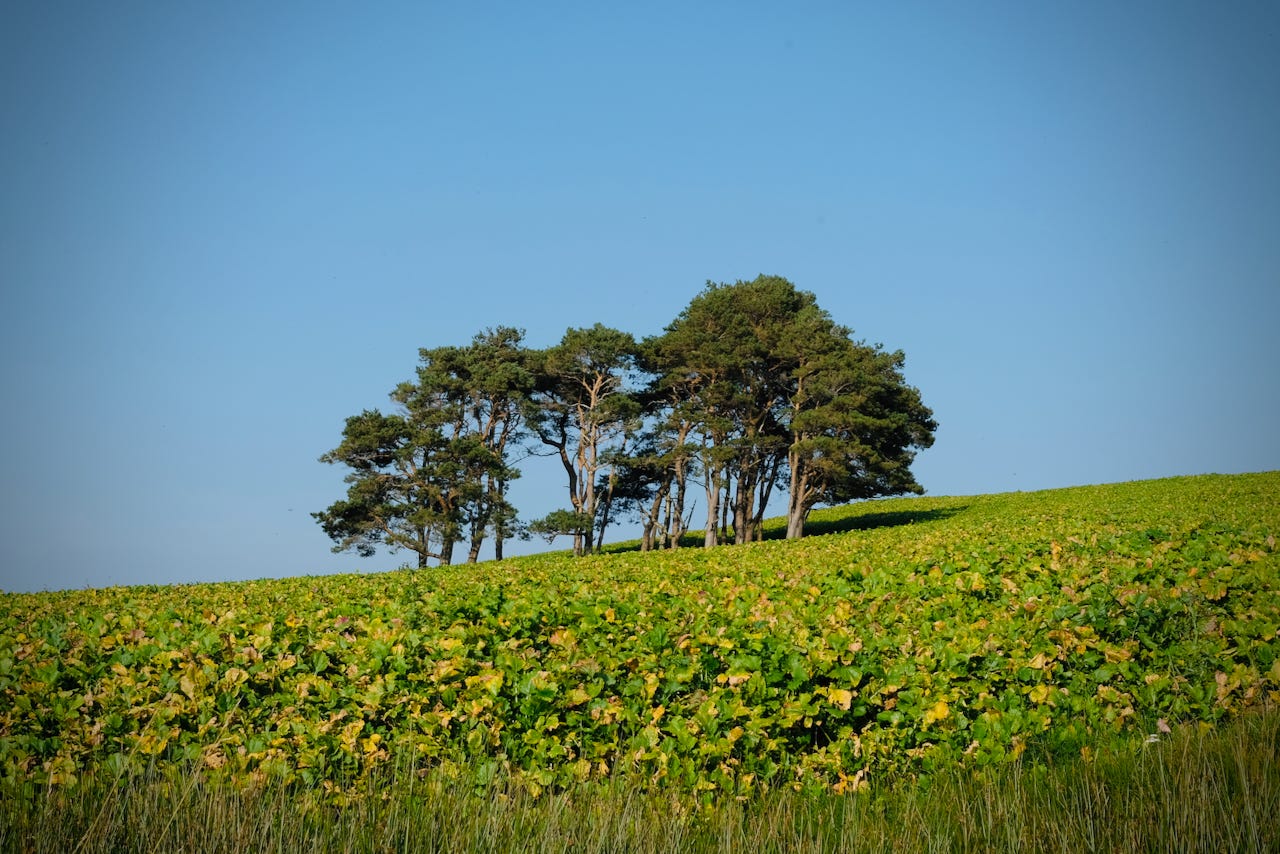
We can enjoy every different plant in a garden, all the great diversity, knowing that they are all rooted in the same soil.
And the differences of expression can be profound, extreme, but we follow them back to their source, to their roots in the ground of truth.
What this means is that the expressions of various spiritual schools and traditions aren’t always interchangeable.
Languages work this way too. There are common words in a variety of languages, but there are some words, concepts, that are present in one and not present in another.
It’s like different languages see the world in different ways, identify and describe different aspects of reality - not just different words for the same things. Sometimes the language and the spiritual perspective tune into something that others don’t.
But whatever the tradition, whatever the language, the same requirement holds: for truth to be liberating it has to be experiential. It has to be lived.
Truth and reality are synonymous. We speak of reality as lived, as directly apprehended and experienced.
And this approach is actually rare in the field of knowledge generally. That’s what makes direct inquiry, spiritual practice, so uniquely liberating.
But our minds get conditioned to only understand and engage with life on conceptual terms - and unlearning that, learning to notice, to see, to directly apprehend is trickier than it might seem.
It’s not uncommon for a spiritual seeker to have a very rich understanding of the expressed knowledge of a given tradition but very little direct experience of it. It’s an easy mistake to make, to believe that the accumulation of knowledge might pass for attainment or insight, when really it’s just the adoption of certain concepts and expressions that aren’t actually native, that aren’t directly perceived or recognised.
There’s a verse in the Bhagavad Gita about perceiving the nature of the Self. The verse says something like: one sees this as a wonder, another speaks of it as a wonder, another hears of it as a wonder, yet others - even after hearing - do not understand it at all.
The recognition of true nature is rare.
Direct inquiry, Self-inquiry, asks questions but doesn’t require answers to come from the mind. It asks us to look, to see, to experience, not to analyze or think more about. It’s tricky. We’re conditioned not to approach or explore reality in this way. So it’s a challenge not just to follow the pointing, but to first recognize that very mode of approach as what’s required at all.
What we’re pointing to is beyond the mind - it can’t be contained or apprehended there. And yet, abiding as That, expressions of its own nature arise naturally, without reference to thought or analysis.
So the mind is not it - the concepts, the structures of thinking, the different expressions and knowledge, none of these are the thing that we are trying to get to.
But if we follow the pointing, if we inquire sincerely and explore our experience directly, our true freedom is there to be discovered.
wonderful points